
https://www.nytimes.com/2018/12/03/opinion/letters/robots-health-care.html
There’s no question that scientific advancement has drastically improved human life, especially in medicine. In 1900, a person could expect to live to around 47, with some variation based on race and sex. Today, we can expect to live to see age 80 or more based on the same criteria.
This is an absolutely incredible improvement we have seen over the last 118 years in the United States, and scientific/technological advancement is much of the reason we have seen our live’s extended by those 30+ years.
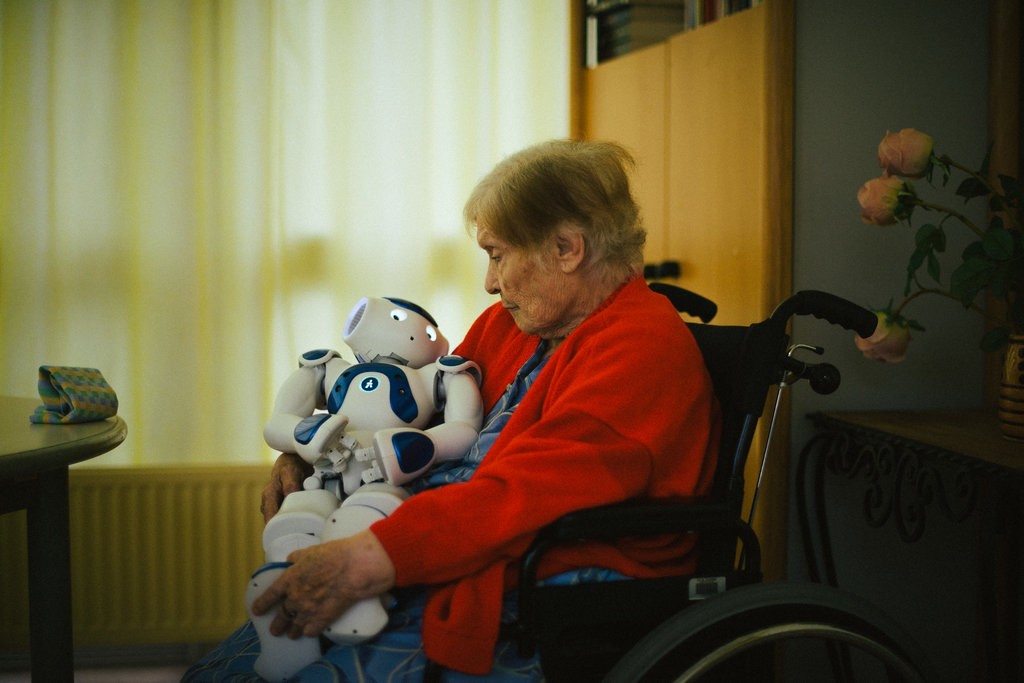
Many people today feel that the next step in improving our health care is adding robots into some care regiments.
The addition of machinery in health care has objectively improved my life and standard of living. I survive with Type One Diabetes because I have an Animas Insulin Pump to deliver my medication into my body and a Dexcom G6 Continuous Glucose Monitor to tell me the level of glucose in my blood stream.
The difference between the machinery I use, and that which is under debate now, is that the robots in question will imitate human interactions for those they are provided for, but will not provided actual medication.
For some Dementia patients, an expensive robot with some lifelike qualities has been “prescribed” to imitate human interaction to improve the lives of this group of people who are in many cases, extremely lonely. This has had very positive results on the live’s of many of the patients involved. Researches involved say that although only Dementia patients would imagine these robots to be “real”, young people should not be dismissive of this idea, “Instead, they might consider how very real Siri seems to them.”
The questions then, are, should we allow robots to replace human interactions in medical care? Will imitation of our interactions, minus the emotions of love and care, have negative effects on patients?
My thoughts are that human interactions can never truly be imitated, and no matter how helpful these robots are, they will never be able to provide the benefits that would would receive through the care of a family member or close friend.
What do you think? Could allowing robots to assist in our health care allow us to achieve a better quality of life in some cases? Should synthetic interactions be allowed in any case? Let me know what you think.


 Daily Dose of Drake