The Cost of Being an Anti-Vax

The New York Times

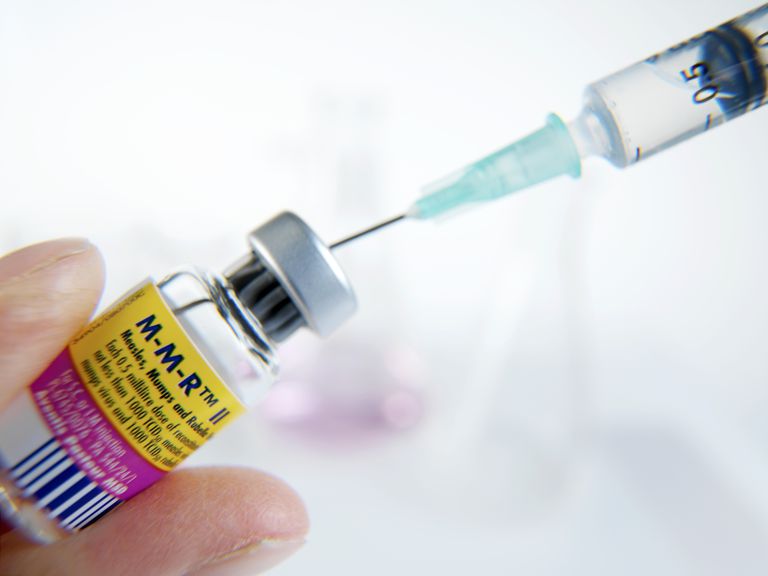
To most of the country, it sounds ridiculous, but it’s becoming a trend in the US. Many parents are refusing vaccinations (protection from some of the worst diseases out there) because they believe vaccines are a cause of autism and other mental problems.

One article written by a man named Andrew Wakefield in 2011 said that Wakefield had discovered a strong correlation between the MMR Vaccine and Autism in those who received the vaccination.

In the over 100 studies on the subject since the Wakefield article was written, 0 show any type of correlation between *any* vaccine and autism.

The problem is, a movement had already begun. Any study or article that has been released in the time since the Wakefield study, has been thrown out as conspiracy by the Anti-Vax community.

The words of Ben Shapiro come to mind, “Facts don’t care about your feelings,”

Since the start of the Anti-Vax movement, herd immunity has been effectively and officially destroyed in many areas in America.

Herd immunity arises when a high percentage of the population is protected through vaccination against a virus or bacteria, making it difficult for a disease to spread because there are so few susceptible people left to infect. The percentage in many areas of the western world has dropped below herd immunity levels.

That’s the big picture view, but now, let’s see how this movement can effect individuals within it:

In 2017 a 6-year-old boy was playing on a farm when he cut his forehead, a laceration that was simple enough to tend to at home.

6 days after the cut was received, something else had the parents of this boy sweating. He was clenching his jaw, having trouble breathing and experiencing involuntary muscle spasms.

The boy hadn’t received his vaccinations.

He was taken to Oregon Health & Science University and was found to have tetanus (Lock Jaw), the state’s first documented pediatric case of the disease in more than 30 years, according to the CDC.

When he arrived at the hospital, he was alert and asked for water, but couldn’t open his mouth. He was given medicine, including an initial vaccine for tetanus, known as DTaP. But his condition was perilous. He spent more than a month on a ventilator.

His hospital visit lasted 57 days, which was followed by 17 days in a rehabilitation center. A month after that, he was well enough to return to normal activities, including running and biking.

The cost of just the hospital visit was over 800,000 dollars.

According to the hospital:

“Today, the disease occurs “almost exclusively” in people who have not been vaccinated or who have been under-vaccinated,”

His doctor stated:

“When you see someone suffer from this disease, you completely understand why we immunize,” she said, adding, “This should never happen in our country.”

Even a personal experience and nearly $1,000,000 in medical expenses aren’t enough to change a conspiracy theorist’s irrational mind.

When the time came for his second round of Tetanus Vaccine, doctors talked with the family about the need for the vaccinations. Surviving tetanus, unlike some other diseases, does not offer immunity in the future.

Still, the family of the boy was unconvinced. After a lengthy review of the necessity of vaccinations in general, the parents declined the second vaccination — or any other of the recommended immunization.

Remember, for many American’s vaccines can be received for free from a local pharmacy.

What do you think? Leave your comments below.
 

Got (enough) Medicine?

You’ll notice that in most of my posts, I have an article cited from the NY Times or another acclaimed news outlet, tonight, I have a video from Netflix. It’s Hasan Minhaj’s “Patriot Act”. I recognize that he may not have the reputation which many news outlets have, but he has highlighted one of the major issues in America, one that is nearing “National Emergency” levels.

Diabetic ketoacidosis is objectively one of the worst ways to die. When you don’t have enough insulin, your blood sugar will rise. Eventually your blood sugar gets so high that your blood becomes fully acidic. This causes cells to become dehydrated and leads to the complete loss of bodily functions.

Instances of Diabetic Ketoacidosis, suprisingly, are currently on the rise again here in the US.

The reason?

Drug pricing.

The price of a vile of insulin has been skyrocketing in the US. In 2001, a vile of insulin cost $35. In 2017, that same vial would cost you $234 dollars (an increase of 585%).

Two important things to point out with these numbers are:

1- A three-month supply of insulin usually consists of about 12 vials of insulin. ($2808 for a three-month supply)

2. A vial of insulin costs in-between $2.28 and $3.42 USD. That means they sell, a vial for 103x the cost of making it.

This has led many diabetics without insurance to be “priced out” of a drug that is necessary to keep them alive. These people who are being priced out turn to an option known as “insulin rationing”.

Insulin rationing is where diabetics have an extremely limited supply of insulin, and because of that, they do not have a baseline rate of insulin going (which is necessary) and they only take insulin when their blood sugar is dangerously high.

This is how Nicole, lost her son Alec.

—-Diabetic ketoacidosis is how Nicole Smith-Holt lost her son. Three days before his payday. Because he couldn’t afford his insulin.

“You have to pay the $7,600 out of pocket before your insurance is even going to kick in,” she remembers telling him. Alec decided going uninsured would be more manageable. Although there might have been cheaper alternatives for his insulin supply that Alec could have worked out with his doctor, he never made it that far.

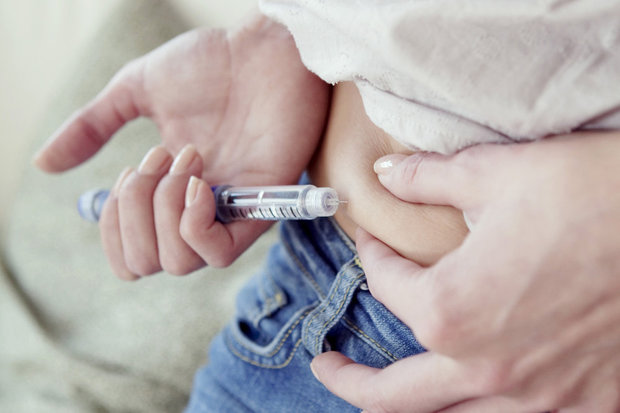
He died less than one month after going off of his mother’s insurance. His family thinks he was rationing his insulin — using less than he needed — to try to make it last until he could afford to buy more. He died alone in his apartment three days before payday. The insulin pen he used to give himself shots was empty.—-

Alec died after 27 days of being off his parent’s insurance.

The rising prices of insulin have led 1 in 4 diabetics to openly admit to rationing insulin. Leading to a death toll of thousands in the United States alone.

Companies like Novo Nordisk and Eli Lilly are price fixing in the US. Raising prices in such perfect lock step, that their is no doubt of their intent, and the results are deadly.

One quick stat: one vial of insulin in Canada is, $13 USD. And in Taiwan? $8.

The United States has an environment and economy that makes those numbers difficult. However, it is more than plausible to bring these numbers down from triple digits to double digits through price capping, which I will explain more in a new article.

We can fix this problem, it can be done easily. What are your thoughts on reducing drug prices (not just insulin) in the USA? Are companies free to do as they please? Or should the government step in and cap prices to save lives? Let me know in the comments. #T1D

Please share to raise awareness.

Are You Losing Your Mind?

https://www.sciencenews.org/article/lack-sleep-tied-increases-two-alzheimers-proteins-brain

If you’re a regular person, you’ve gone through a period of life where for whatever reason, you stayed up too late for a consistent amount of time. It could be the birth of a child, a heavy class schedule, work, or even just for fun.

Since the beginning of recorded history, mankind has been at least vaguely aware that not much, if any good comes from getting too little sleep. Effects can include trouble concentrating (feeling that right now), high blood pressure and mood swings. However, a new study has found another serious effect on our body caused by sleep deprivation, increased odds for the development of Alzheimer’s.

Two proteins, A-beta and tau, levels are much higher in people who suffer from a lack of sleep. Tau levels were found to have an over 51% increase in adults who are not getting sufficient amounts of sleep. Getting proper amounts of sleep however, will help the brain to flush out these proteins. This study implies that getting treatment for sleep disorders in your mid-life, may prevent you from needing Alzheimer’s treatment in the future.

Alzheimer’s is a disease which terrifies American’s and the general population around the world. Much of the fear is caused by the apparent loss of one’s independence and functionality. For decades, researchers have been searching for ways in which the disease can be both prevented and cured. These efforts have been met with relatively little success so far.

According to this study, there is at least one preventative method that all of us, rich or poor, man or woman, will be able to use. The A-beta and Tau proteins which lead to a higher probability of the development of Alzheimer’s can be reduced by nearly 52% if we are able to better regulate our sleep schedules and get a health amount of sleep each night. A healthy sleep schedule has always been something worthy of working towards, but now we have another incentive to make sure we get our lives on track.

A discovery about the cause of a disease often leads to progression in discoveries about treatment. Don’t relax just yet, but we might be witnessing the first steps towards prevention and a cure.


Reefer Madness?

https://www.nytimes.com/2019/01/17/health/cannabis-marijuana-schizophrenia.html

*Disclaimer: Due to Cannabis being classified as an illegal substance in most of the United States, research has not been done to a satisfactory point to reach any firm conclusion. This is because funding is difficult to come by when testing an illegal substance on people.*

In the current political environment, everything is controversial. One of the main topics that has brought conflict between the nations two main parties, is the use of Cannabis.

As mentioned in a previous article, I am of the opinion that medical marijuana is beneficial and needs to be legalised in order to help millions of people around the United States.

Recreational use is different. Recently, a study was released that arrived at the conclusion that there is a link between the use of cannabis and the development of schizophrenia and other forms of psychosis.

Given this conclusion, it’s only fair that we look at the facts and stats, and pursue the truth about the relationship between mental health and Marijuana.

First, it is important to point out that psychotic conditions are almost certainly genetic in nature. They run very strongly in family, those who have relatives suffering from these conditions have an inherit risk of developing these conditions themselves.

Second, there is a phrase that says, “correlation does not “necessarily” equal causation,” Just because there is a correlation, does not mean that “something” causes “something” else.

An example of this would be: the more firemen that are sent to a fire, the more damage that is done. This is true, they correlate, however, the firemen do not cause the damage, they do the opposite, and more of them would are sent so they can handle the flames.

Even though it does not always show causation, there certainly are times where correlation does show causation, like: The more often matches are used in the house, the more often a house fire is started.

In relation to Marijuana and Psychosis, there certainly and inarguably is correlation, it is backed by a plethora of studies. It’s unclear though, which came first, the marijuana use or the psychosis.

In medicine, relatively little is known about the biological foundations of a psychotic condition. Certain gene variants are almost certainly involved.  There is also circumstantial evidence that cannabis usage can effect the brain during synaptic pruning as the adolescent brain begins its rapid development stages. Cannabis use effects the CB1 receptors which are heavily involved during pruning and alterations to the process likely increase the risk of developing schizophrenia and other forms of psychosis. This is further enforced and supported by a combined research between M.I.T. and Harvard in 2016 showed that many disorders are caused by a combinations of gene variants and an anomaly during the pruning process like the one caused by marijuana.

The conclusion by most studies up to this point implies that unless you have a genetic disposition towards a psychotic disorder, the risk isn’t much larger with the use of marijuana. However:

“Cannabis use during adolescence through to age 25, when the brain is                       maturing and at its peak of growth in a genetically vulnerable individual, can initiate the onset of schizophrenia.

Is any increase in risk of mental disorder too much risk? What should this mean in the battle to legalise marijuana? Comment with your thoughts.

Infinite Potential

https://www.nature.com/articles/d41586-018-07663-9

In 2009 President Obama lifted a federal ban on the funding of stem cell research in the United States. If you aren’t familiar with stem cells and their importance in the medical community, here is a brief introduction:

A stem cell is a special kind of cell that has a unique capacity to renew itself and to give rise to specialized cell types. Most cells of the body, such as heart cells or skin cells, are committed to conduct a specific function, a stem cell is uncommitted and remains uncommitted, until it receives a signal to develop into a certain, specialized cell.

Excitement over the embryonic cells started because of this remarkable and unique ability, as biological blank slates, to become virtually any of the body’s cell types.

As you may know, stem cell research is one of the most heavily debated ethical disputes in medicine and science right now. The reason for this is that in order to obtain stem cells for the research, they must use the cells from oocytes and embryos. The debate then, is entered around the onset of human personhood. If, embryos and oocytes are indeed humans, then the destroying of those collections of cells to obtain the stem cells is equivalent to murder. If they are not, then the obtaining of stem cells must be of the highest priority. And here’s why.

A stem cell’s’ ability to become any number of specialised cells means that it has the potential to include a number of diseases that currently effect hundreds of millions, if not billions, around the world. These diseases include, but are not limited to:

-Spinal Cord Injury

-Heart Disease

-Parkinson’s Disease

-Alzheimer’s

-Lou Gherig’s Disease

-Lung Disease

-Arthritis

-Sickle Cell Anemia

-Any Type of Organ Failure

-And finally, Diabetes.

What should be done? Is stem cell research ethical? Is it not? Is there some in between? Let me know in the comments.


In Times of Uncertainty, Act.

https://www.nytimes.com/2018/12/10/health/diet-weight-loss.html

People have been trying to lose weight since the first case of obesity. We as the human race, desire to be skinny because “skinny” is recognised as healthy and beautiful universally. When we think of weight loss, unavoidably, we think of diet.

One would assume that something so strongly associated with culture all over the world, would be figured out by now. However, after so many years, we still know next to nothing about dieting and weight loss. Some diets have been found to assist with weight loss but are extremely unhealthy and vice versa. To this day, there is not a single universal diet that will help to lose weight, boost overall health, and help to keep off the shredded weight.

The point of all this is that dieting is not the most effective way to lose weight. The only reason that dieting maintains its popularity worldwide is because of it’s convenience.

The only proven way to maintain a healthy lifestyle and a healthy weight is not dieting, but exercise.

Not only is consistent exercise a better route to weight loss, but studies have found that in comparison to those who don’t exercise, those who do have:

  • up to a 35% lower risk of coronary heart disease and stroke
  • up to a 50% lower risk of type 2 diabetes
  • up to a 50% lower risk colon cancer
  • up to a 20% lower risk of breast cancer
  • a 30% lower risk of early death
  • up to an 83% lower risk of osteoarthritis
  • up to a 30% lower risk of depression
  • up to a 30% lower risk of dementia

Exercise has indisputable benefits on all who participate. Even the most severe asthmatics can find a certain amount of exercise that will assist them in meeting their health goals.

It should come as no suprise that the healthiest people on the planet are athletes. It’s time for us to get up off our butts, stop trying to find a new diet, stop reading this blog, and go for a run.

The School Lunch Dilemma

It’s safe to say that I wasn’t President Obama’s biggest supporter. I recognise that he seemed like a good guy, and I respect him for that and as a former President. I just couldn’t agree with many of his policies.

As a result of her husband’s policies, I often simply assumed I would not agree with Michelle Obama on many of her decisions. However, I found that I did agree with one of the former First Lady’s “policies”. She made it her mission in her unofficial position of First Lady, to make changes in school health standards and do what she could to fight the obesity epidemic in youths around the country.

I started High School when the “Healthy, Hunger-free Kids Act of 2010” which was heavily advocated by Mrs. Obama was passed. This act drastically raised the standard of foods served by schools that received any funding from the federal government in a bid to make the students at these schools healthier.

Over the course of the 4 years, starting in 2010, when I was in High School I watched as the soda and candy was replaced with juices, sugar-free drinks, and granola bars. Our lunches also became healthier, and less edible. It frustrated me to see the drinks and snacks I enjoyed leave, and I definitely made “home lunches” as the standards were raised. The changes even caused a few issues when I needed sugar to raise my blood sugar while I was at school.

As much as I disliked the changes that were made during my time in school, looking back, I think it was fantastic how Michelle Obama used her standing in our nation’s political hierarchy to make a lasting change that would benefit many of the country’s youth.

The new standards brought consumption of vegetables up 16% and consumption of fruits up 23% according to a new study by the USDA. That same study also found that these new standards were not harming schools financially, or creating an increase in food waste.

Sadly, Saturday marked the end of these changes. The Trump Administration has succeeded in lowering the quality of food served in public schools around the country. The amount of whole grains served could potentially be halved, and sugar-filled drinks will be reintroduced.

This backtracking on the Obama-era standards has left many experts surprised and confused, especially considering that 99.85% of schools nationwide were successfully meeting the new, higher standards.

What do you think? Was there a good reason for the standard to be lowered? Should the Obama-era standards have been kept?

Time For a Change.

https://www.chicagotribune.com/lifestyles/health/ct-met-diabetes-rift-20101122-story.html

“I’m sorry, but I hate Type 2. I call it the wuss version,”

Often I’m faced with those who are uneducated about diabetes and they will ignorantly suggest; “Couldn’t you just “cure yourself” if you ate better and exercised?” Nothing frustrates me more than these confrontations.

The truth is, as much as it frustrates Type 2 Diabetics for us to say it, they have it easy. They’re the ones who could “cure” themselves by being more healthy. Their choices led to their health issues.

Type 1 Diabetics, in contrast, have no choice. We can’t avoid it. Before being diagnosed I was playing competitive soccer and I had eliminated excess sugar from my diet for a year and a half. Then I received my diagnosis. Many Type 1 Diabetics have similar situations to mine.

Type 1s will depend on injections of the hormone insulin in order to live the rest of their live’s. Type 2s need no medication if they make lifestyle changes like diet and exercise, oral medication if they do not, and only if they choose be extremely irresponsible do they need hormone injections, if they then make those health changes; they can go off injections.

It’s time for a change, a change of names.

Type 1 Diabetes funding is practically nonexistent because Type 2 is much more prevalent and people who donate often assume that their money goes to researching both diseases. According to Riva Greenburg, a diabetes educator; “When the two types are lumped together, it’s hard for organisations committed to finding a cure to Type 1 to really get funded… If policymakers don’t understand the difference between the two — they are thinking people need to move more and eat less — it’s going to be hard to help cure Type 1.”

The word “diabetes” refers to sugar in the urine. This, and the hormone insulin’s involvement, are where the similarities between the two diseases end.

A name change would lead to an increase in understanding of Type 1 Diabetes.

Type 1, which is devastating, it is an autoimmune disorder; the body has attacked itself and permanently destroyed the cells in the pancreas that make insulin. Insulin is needed to transport sugar into the cells where it can be metabolized and used for energy. If too much sugar (or glucose) stays in the blood, it can lead to serious damage to the tissues, eyes, nerves, heart, gums and teeth.

Type 1 Diabetes is a disorder that  desperately needs more attention. Although a lower percent of the population is effected, those who are, are in dire need of a cure. I need a cure.

Should there be a change? Would it increase understanding of Type 1 Diabetes? What would you call it?


Mary Jane to the Rescue?

mj

http://www.ncsl.org/research/health/state-medical-marijuana-laws.aspx

One of the biggest debates in medicine and politics right now, is the legalisation of Medical Marijuana. If you live in Utah, as I do, you definitely saw this issue on your ballot during the midterm elections. If you live anywhere else, you’ve either already seen it, or you will soon. Here are some things you need to know…

First, this is not intended to be a debate on the legalisation of recreational Marijauna, this is a medical blog and that has no place here.

Second, Medical Marijuana will not get you high (Unless you actively try to find a compound or strain that will).

Okay, so with those two pieces of information out of the way, let’s look at the facts.

Most importantly, Medical Marijuana has proven effective in the treatment of many very serious medical issues. These include; Multiple Sclerosis, Spinal Cord Injury, HIV, Arthritis, Epilepsy, Insomnia, and even Cancer.

For many of the patients prescribed Medical Marijuana, there is no high that comes from the drug, and the effects help them live with a much higher quality of life. For example, epileptics using the prescription can live a completely normal lifestyle with its help.

Why then, are so many against Medical Marijuana legalisation?

The easy and oversimplified answer is, that many just misunderstand the situation and facts, thinking that people will fake problems in order to find an easy high. This, from what was discussed above, is obviously not true.

The more realistic answer, the reason the Church of Jesus Christ of Latter-day Saints and many of its members objected its legalisation on this ballot, is far more complex.

It’s all in the way the bill was presented. The state of Utah had planned out a good system for the legalisation in the state. The only problem? The Federal Government.

What those on both sides of the political aisle often don’t understand is that states may legalise Cannabis for medical reasons, but it will still be a Federal Offence for the population that are involved.

This means your uncle with Epilepsy will be in a much better place medically, and won’t have issues from state authorities. However, if federal authorities hear about him, or the producer of the substance and then decided to act, anyone involved could be subject to time in Federal Prison, which is much worse than State Prison.

Until Medical Marijuana is legalised federally, the risks on use, even if a state has legalised it, may be too much.

Where do you stand on the Medical Marijuana debate? Should it be legalised? Is more research needed?


The Next Step in Evolution?

CRISPR-12-20-17-1

https://www.nytimes.com/2018/12/05/health/crispr-gene-editing-embryos.html

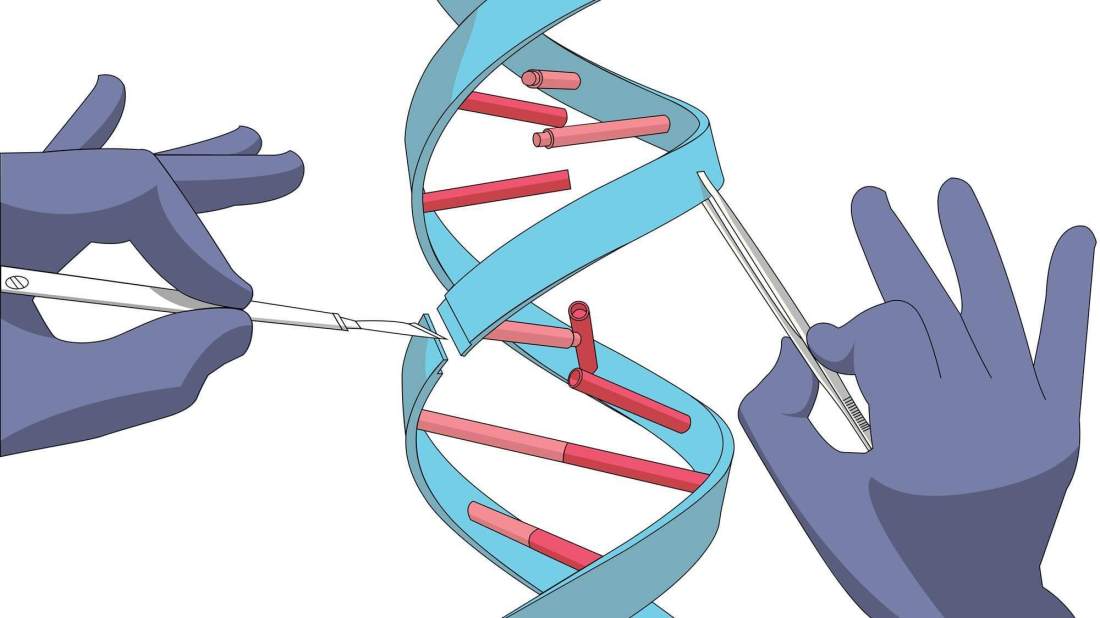
CRISPR, for those who have not heard of it before, is a gene-editing technique, used to alter a gene in human embryos. The embryo is then implanted into the womb of the mother, and then born nine months later… Theoretically…

Due mostly to ethical concerns, but also concerns about safety, CRISPR’s legality is considered to be; “Murky, at best,” according to TheVerge.com. Loose guidelines and ethics “basically” prohibit this editing of the human germ line in the United States.

Earlier this week, however, a Chinese biologist named He Jiankui said he used  CRISPR to confer HIV resistance to twin girls named “Lulu” and “Nana”. These claims have not been confirmed, but already many feathers have been ruffled in the scientific community.

Much of the worlds population feels that if we allow the genetic engineering our babies, we will enter a scenario similar to that in the movie “Gattaca” (Look it up if you don’t understand the reference).

Experts say that, “gene editing babies was irresponsible, risky and unnecessary”. The CRISPR process done by He Jiankui disabled the CCR5 gene which creates a protein which allows HIV to spread between white blood cells. Sounds good right? Well… Yeah.

The problem arises with “off target effects,” many of which can be deadly. Although the embryos can be screened for these effects, many experts consider these screenings to still be limited. If anything was missed in these screenings, it could lead to a very premature death for either Lulu or Nana, and the cause would ultimately trace back to CRISPR.

The strangest thing about this use of CRISPR is that it probably wasn’t even the most effective way to prevent HIV in embryos, when embryos are created using IVF (in vitro fertilization) sperm can be “washed” to ensure the embryo is HIV-free — which was the case for the sperm used to create the babies.

Dr. Hurlbut, an expert in gene editing said; “There’s no medical reason for this intervention … unless these children are exposed to HIV sometime in the future, but the risk of that is no higher than anywhere else.”

There are many risks in using gene editing, especially before the technique is perfected. Should CRISPR be more accessible? Is it ethically wrong? Is it the choice of individual sets of parents? Let me know in the comments below.